

 Blog
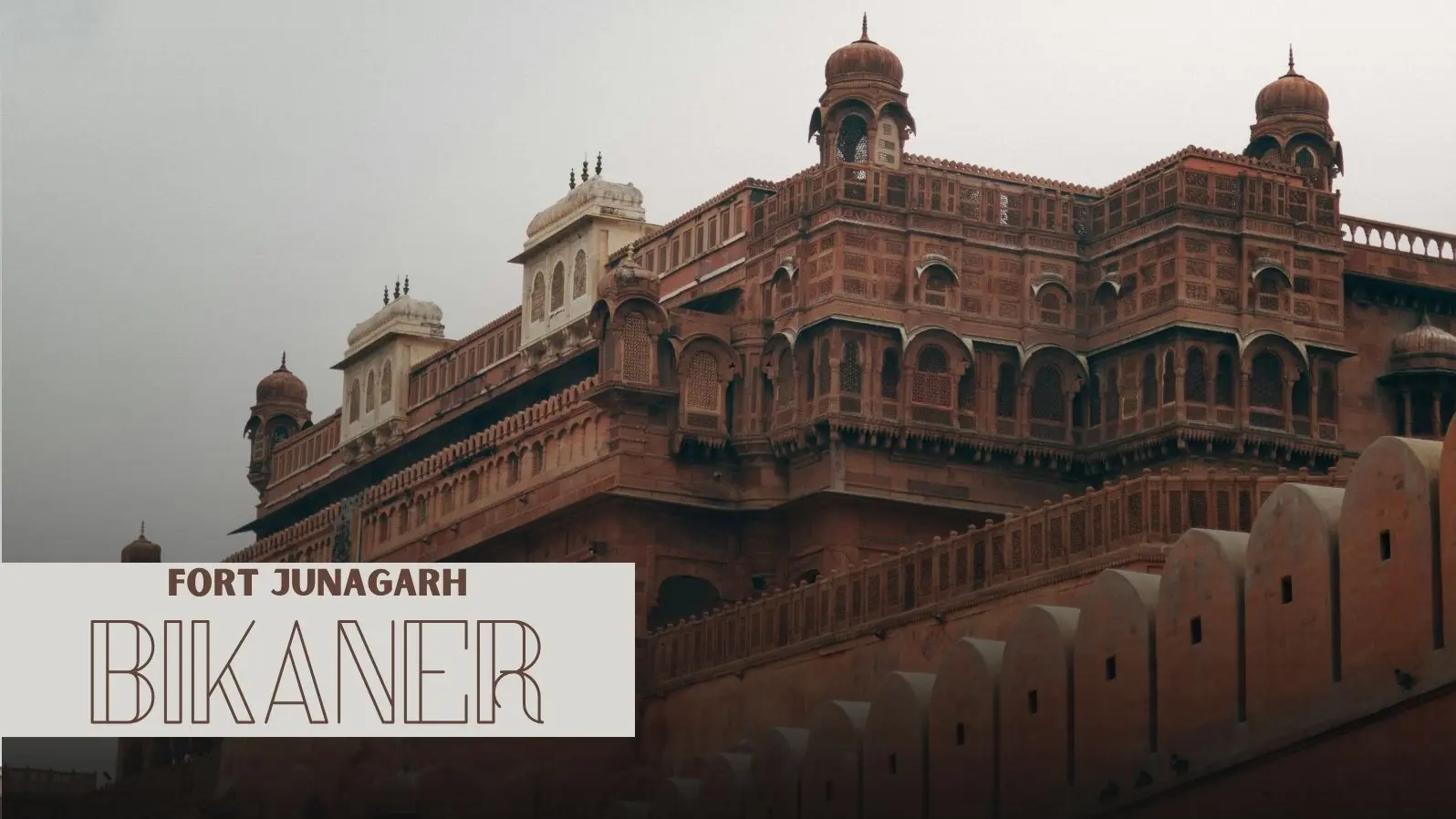
BlogWhen people talk about the grand heritage of Rajasthan, one place that truly represents royal history is Junagarh Fort. Located in the desert city of Bikaner, this magnificent fort is one of the few forts in Rajasthan that was never conquered by enemies.
Unlike many hilltop forts in the state, Junagarh Fort stands proudly on the plains and still showcases the architectural brilliance, royal lifestyle, and military strength of the Rajput rulers. If you are planning a trip to Bikaner, visiting Junagarh Fort should definitely be at the top of your list.
This detailed travel guide will help you understand the history, architecture, attractions, timings, ticket prices, and travel tips for exploring Fort Junagarh Bikaner India.
Read More : Bikaner Sightseeing
History of Fort Junagarh Bikaner India
The magnificent Junagarh Fort was built in 1589 AD by Raja Rai Singh, one of the most powerful rulers of Bikaner. He served as a general in the army of Akbar, which allowed him to accumulate wealth and influence.
Originally, the fort was called Chintamani Fort, but later it became known as Junagarh Fort, which means “Old Fort.”
Over the centuries, several rulers of Bikaner added palaces, temples, and courtyards inside the fort, turning it into a complex of beautiful royal structures. Despite numerous battles in Rajasthan, the fort remained unconquered, making it one of the most unique forts in India.
Today, the fort stands as a symbol of Rajput pride and royal architecture.
Architecture of Junagarh Fort
The architecture of Fort Junagarh Bikaner India is a blend of Rajput, Mughal, and Gujarati styles. Built using red sandstone and marble, the fort reflects both strength and beauty.
The massive walls of the fort stretch nearly 1 kilometer in length, with 37 bastions designed for defense. Inside the fort complex, visitors will find stunning palaces, intricately carved balconies, latticed windows, and beautiful courtyards.
Some unique architectural features include:
- Beautiful mirror work and glass inlay
- Hand-painted walls and ceilings
- Ornate marble pillars
- Intricate stone carvings
- Royal courtyards and audience halls
Every corner of the fort tells a story of royal luxury and artistic craftsmanship.
Top Attractions Inside Fort Junagarh Bikaner India
The grand Junagarh Fort is not just a single monument it is a royal complex filled with palaces, courtyards, temples, and historical halls. Each section of the fort reflects the luxury and lifestyle of the Bikaner rulers.
Here are the must-visit attractions inside Fort Junagarh Bikaner India:
1. Suraj Pol (Sun Gate)
The main entrance of the fort, Suraj Pol, is a magnificent gateway built with yellow sandstone.
It is beautifully decorated and serves as the primary entry point for visitors. The gate faces east, which is why it is called the “Sun Gate.”
Highlights:
- Grand Rajput architecture
- Massive wooden doors with iron spikes
- Royal entry point used by kings
2. Anup Mahal
One of the most stunning interiors inside Junagarh Fort is Anup Mahal.
This palace served as the administrative hall where the king held court meetings.
Highlights:
- Gold leaf paintings
- Intricate mirror work
- Carved wooden ceilings
- Detailed wall artwork
It is considered one of the finest examples of royal craftsmanship in Rajasthan.
3. Karan Mahal
Karan Mahal was built to celebrate a military victory by Maharaja Karan Singh.
This palace functioned as the Diwan-i-Am (public audience hall).
Highlights:
- Elegant arches and pillars
- Spacious courtyard
- Historical importance
4. Phool Mahal
The beautifully decorated Phool Mahal is known for its floral-themed interiors.
This palace was used for royal entertainment and private gatherings.
Highlights:
- Glasswork and paintings
- Floral motifs
- Vibrant interiors perfect for photography
Read More : Things to Do in Mount Abu Rajasthan
5. Badal Mahal
One of the most unique sections of the fort is Badal Mahal.
Its interiors are painted with cloud and rain patterns, giving a monsoon-like feel in the desert city.
Highlights:
- Blue-themed cloud paintings
- Artistic depiction of rain
- Rare architectural concept
Read More : Things to Do in Pushkar Rajasthan
6. Chandra Mahal
The elegant Chandra Mahal served as the private residence of the royal family.
Highlights:
- Marble interiors
- Mirror work decorations
- Luxurious royal rooms
It gives visitors a glimpse into the lifestyle of the kings and queens.
Read More : Jaipur Sightseeing
7. Ganga Mahal
Ganga Mahal was built by Maharaja Ganga Singh in the 20th century.
Today, it houses part of the museum.
Highlights:
- Blend of traditional and modern architecture
- Historical exhibits
- Spacious hall
Read More : Important Places to Visit in Udaipur
8. Har Mandir (Royal Temple)
Inside the fort complex, Har Mandir is the royal temple where kings and queens used to worship.
Highlights:
- Sacred religious site
- Beautiful carvings
- Spiritual ambiance
It was also used for royal weddings and ceremonies.
Read More : Best Time to Visit Jaisalmer
9. Hawa Mahal
The airy structure of Hawa Mahal allowed cool air to circulate within the fort.
Highlights:
- Ventilated design
- Jharokhas (windows)
- Summer retreat for royals
Read More : Places to Visit in Jodhpur
10. Junagarh Fort Museum
The Junagarh Fort Museum is one of the most informative attractions inside the fort.
Highlights:
- Royal costumes and jewelry
- Ancient weapons and armor
- Palanquins and carriages
- Miniature paintings
It helps visitors understand the cultural and historical significance of the fort.
Read More : Things to Do in Rajasthan
11. Courtyards and Gardens
The open courtyards inside Junagarh Fort are equally impressive.
Highlights:
- Peaceful walking areas
- Perfect for photography
- Surrounded by palaces
These spaces were used for royal gatherings and ceremonies.
12. Fort Walls and Bastions
The massive walls and 37 bastions of the fort were built for defense.
Highlights:
Historical military importance
Strong sandstone construction
Panoramic views of Bikaner
Junagarh Fort Museum
The Junagarh Fort Museum inside the fort displays an impressive collection of historical artifacts.
Here you can see:
- Royal costumes
- Ancient weapons
- Palanquins used by queens
- Miniature paintings
- Historical manuscripts
The museum offers deep insight into the rich cultural heritage of Bikaner.
Best Time to Visit Fort Junagarh Bikaner India
The best time to explore Junagarh Fort is during the winter months.
October to March
This is the ideal time for sightseeing because the weather in Bikaner remains pleasant.
April to June
Summers can be extremely hot in Rajasthan, making daytime exploration difficult.
July to September
The monsoon season brings occasional rainfall and slightly cooler temperatures.
Junagarh Fort Timings and Entry Fee
If you are planning to visit Fort Junagarh Bikaner India, here are the important details:
Opening Hours
- 10:00 AM – 4:30 PM (Daily)
Entry Fee
- Indian tourists: Approx ₹50
- Foreign tourists: Approx ₹300
- Camera charges may apply.
Visitors can also hire guided tours to better understand the history and architecture of the fort.
How to Reach Fort Junagarh Bikaner India
By Air
The nearest airport is Nal Airport, located about 13 km from the city.
The nearest major international airport is Jaipur International Airport.
By Train
Bikaner Junction Railway Station is well connected with cities like Delhi, Jaipur, and Jodhpur.
By Road
Bikaner is easily accessible via road from cities such as:
- Jaipur
- Jodhpur
- Delhi
Taxis, buses, and private vehicles are available.
Travel Tips for Visiting Junagarh Fort
To make the most of your visit to Fort Junagarh Bikaner India, keep these tips in mind:
- Visit early in the morning to avoid crowds
- Hire a guide to understand the historical details
- Carry water and wear comfortable footwear
- Do not miss the museum inside the fort
- Photography lovers should bring a good camera
Exploring the entire fort usually takes 2–3 hours.
Read More : Junagarh Fort
Why Fort Junagarh Bikaner India is Unique
There are many reasons why Junagarh Fort stands out among Rajasthan’s forts:
- It is one of the few forts not built on a hill
- It was never conquered in battle
- The interiors are more luxurious than many other forts
- The fort houses multiple palaces within one complex
Read More : Rajasthan Junagarh Fort
Because of these unique features, Junagarh Fort attracts thousands of tourists every year.
Conclusion
The majestic Junagarh Fort is one of the most impressive historical landmarks in Rajasthan. From beautifully decorated palaces and royal courtyards to fascinating museums and architectural masterpieces, the fort offers a deep insight into the royal heritage of Bikaner.
Whether you are a history lover, architecture enthusiast, or travel photographer, visiting Fort Junagarh Bikaner India will be an unforgettable experience.
If you are planning a trip to Rajasthan, make sure this royal fort is on your travel itinerary.
FAQs – Fort Junagarh Bikaner India
1. What is the historical importance of Junagarh Fort?
Junagarh Fort is one of the most important historical monuments in Rajasthan. Built in 1589 by Raja Rai Singh, the fort represents the royal heritage and architectural brilliance of the Bikaner kingdom. It is also famous for being one of the few forts in Rajasthan that was never conquered.
2. Why is Junagarh Fort different from other forts in Rajasthan?
Unlike many famous forts such as Mehrangarh Fort or Amber Fort, Junagarh Fort is built on flat land instead of a hilltop. Despite its location on the plains, the fort remained unconquered and still stands as a powerful symbol of Rajput defense and architecture.
3. How old is Fort Junagarh Bikaner India?
The fort was constructed in 1589 AD, making it more than 430 years old. Over the centuries, several rulers of Bikaner expanded the fort by adding palaces, temples, and royal chambers.
4. Which palaces can visitors see inside Junagarh Fort?
Visitors exploring Junagarh Fort can see many stunning palaces such as:
- Anup Mahal
- Karan Mahal
- Phool Mahal
- Badal Mahal
- Chandra Mahal
Each palace showcases intricate carvings, royal artwork, and luxurious interiors.
5. Is there a museum inside Junagarh Fort?
Yes, the Junagarh Fort Museum is located inside the fort complex. The museum displays royal artifacts, weapons, paintings, costumes, and historical objects that provide insight into the lifestyle of the Bikaner royal family.
6. What are the opening timings of Junagarh Fort Bikaner?
Junagarh Fort is usually open from 10:00 AM to 4:30 PM every day for visitors.
Tourists are advised to arrive early to fully explore the fort and its palaces.
7. What is the entry fee for Junagarh Fort Bikaner?
The approximate ticket price for visiting Junagarh Fort is:
- ₹50 for Indian tourists
- ₹300 for foreign tourists
Additional charges may apply for cameras and video recording.
8. How much time is required to explore Junagarh Fort?
Most visitors spend around 2 to 3 hours exploring the entire complex of Junagarh Fort, including its palaces, courtyards, and museum.
9. What is the best time to visit Junagarh Fort in Bikaner?
The best time to visit the fort is between October and March when the weather in Bikaner is pleasant and suitable for sightseeing.
10. How far is Junagarh Fort from Bikaner Railway Station?
Junagarh Fort is located about 2 km from Bikaner Junction Railway Station, making it easily accessible by auto-rickshaw, taxi, or local transport.
11. Can tourists take guided tours inside Junagarh Fort?
Yes, guided tours are available at the entrance of the fort. A professional guide can help visitors understand the history, architecture, and stories behind the royal palaces.
12. What are the main highlights of Junagarh Fort?
Some of the major highlights of Junagarh Fort include:
- Magnificent royal palaces
- Intricate marble and sandstone carvings
- Historical museum collections
- Beautiful courtyards and balconies
- Unique Rajput and Mughal architectural style
13. Is Junagarh Fort worth visiting in Bikaner?
Yes, Junagarh Fort is considered one of the top tourist attractions in Bikaner. Its rich history, stunning architecture, and well-preserved palaces make it a must-visit destination for travelers.


